In the dynamic evolution of literary expression, the traditional image of an author tethered to a typewriter or keyboard is fading into the background. The realm of crafting a book has expanded beyond the confines of conventional typing. Therefore, it is ushering in an era of innovation and exploration for writers. Technological advances and shifting perceptions of the written word have liberated authors from the exclusive dependence on typing. Whether through harnessing the spoken word with dictation and speech-to-text apps or embracing the tactile intimacy of handwriting. So, each method offers authors a unique path for getting on their literary journeys. Now move your horses to the path where we will learn about how to write a book without typing.
In this exploration, we unravel the intricacies of non-typing book creation, from dictation and speech-to-text apps to handwriting, transcriptionist services and mind-mapping tools. Beyond practical considerations, we delve into the nuances of breaking down a book into manageable fragments, utilizing recording devices to capture unfiltered thoughts. Moreover, it is recognizing the significance of breaks for sustained focus, and embracing mistakes as opportunities for refinement. Writing, liberated from the traditional typing paradigm, is a dynamic and personalized endeavor. Moreover, it is inviting authors to experiment, adapt, and discover methods that resonate with their unique voices and creative visions.
Suggested Reads: Get Fabulous Writing Experience

In modern book creation, dictation has emerged as a transformative method, liberating authors from the traditional confines of typing. However, dictation leverages cutting-edge speech-to-text apps and software, employing sophisticated voice recognition algorithms to convert spoken words into written text seamlessly. This dynamic process accelerates the writing journey and enhances efficiency. Though it allows authors to articulate their thoughts at the speed of speech.
One of the standout benefits of dictation is its accessibility. Individuals with physical disabilities or those prone to repetitive strain injuries find dictation a liberating alternative to traditional typing. Beyond efficiency, dictation captures a natural flow in writing, providing an authentic representation of the author's voice. As technology advances, dictation tools continue to refine their accuracy. So, they are making them invaluable tools for authors seeking a hands-free and dynamic approach to book creation.
In the age of digital innovation, speech-to-text apps have revolutionized how authors bring their narratives to life without the need for manual typing. Therefore, these versatile applications offer a spectrum of benefits, catering to a diverse range of users. Busy professionals dictate emails and reports on the go, students capture ideas during lectures. Moreover, writers find inspiration in spontaneous thoughts, all through the convenience of speech-to-text apps.
The mobility of these apps extends beyond the confines of traditional typing. However, it allows users to harness the power of spoken language wherever they go. With real-time transcription capabilities and support for multiple languages. Moreover, these apps provide a convenient bridge between spoken expression and written articulation. The seamless integration of speech-to-text functionality into various applications further enhances their adaptability. It is making them indispensable tools for the modern author.
Amid digital dominance, the art of handwriting stands as a timeless and intimate approach to book creation. Despite the prevalence of keyboards and touchscreens, many authors still find solace and creativity in putting pen to paper. Handwriting adds a personal touch to the writing process, allowing for individuality and nuance often absent in digital text.
Beyond personal expression, the educational significance of handwriting remains noteworthy. The cognitive benefits of writing, such as improved memory retention, make it a valuable tool in early education. While challenges like legibility persist, handwriting endures as a symbol of creativity, mindfulness, and a connection to the tactile aspects of the written word.
For authors seeking a professional touch and accurate conversion of spoken content into written form, the option to hire a transcriptionist has gained prominence. You are also recommended for hiring a ghostwriter A transcriptionist is pivotal in ensuring the precise and efficient transformation of audio recordings, interviews, or podcasts into well-crafted text. This service not only saves valuable time but also guarantees high accuracy, particularly in cases involving specialized terminology.
The benefits of hiring a transcriptionist extend beyond accuracy and efficiency. These professionals are often well-versed in language nuances and can navigate various accents and speech patterns. As a result, industries ranging from media and entertainment to legal and medical sectors leverage transcription services to obtain meticulous and reliable written documentation of spoken content.
Suggested Reads: Hire Book Writing Services
In the creative realm of book creation, mind-mapping tools have become indispensable companions for authors seeking to organize, brainstorm, and structure their ideas. Whether digital or physical, these tools provide a visually intuitive platform for authors to map out the intricate web of concepts, themes, and narrative threads that constitute their books.
Mind mapping fosters a creative and flexible environment, allowing authors to explore the relationships between different ideas and visualize the overall structure of their content. It is a dynamic canvas for idea generation, content planning, and even storyboard creation in multimedia projects. Collaborative features in digital mind-mapping tools further enhance their utility. So, they are facilitating real-time contributions from multiple team members in the creative process.
In the dynamic landscape of book creation, these diverse approaches—dictation, speech-to-text apps, handwriting, transcription services, and mind mapping. Although they offer authors a spectrum of tools based on their preferences, creative process, and project requirements. Each method brings unique advantages, contributing to the rich tapestry of possibilities for crafting engaging and authentic literary works.
Writing a book without typing can be an effective and efficient way to get your ideas down on paper. Especially if you find traditional typing methods slow or uncomfortable. Here are some of the best practices for writing a book without typing. Therefore, along with tables and graphs to illustrate the process and interpret the results:
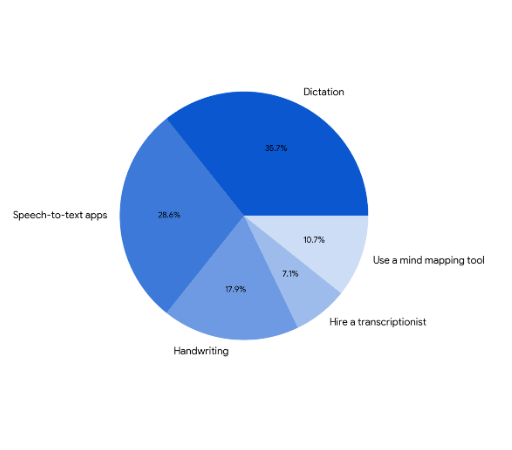
| Method | Description |
|---|---|
| Dictation | Speak your words into a microphone and a computer program transcribes them into text. |
| Speech-to-text apps | Use speech-to-text apps on your mobile device to convert your spoken words into text. |
| Handwriting | Write by hand and scan your handwritten pages into a computer using OCR (optical character recognition) software. |
| Hire a transcriptionist | Hiring a ghostwriter as a professional transcriptionist to transcribe your spoken words into text. |
| Use a mind mapping tool | Use a mind mapping tool to organize your thoughts and ideas before you start writing. |
At the core of Shopify's versatility is its extensive app ecosystem. Businesses can leverage many apps to extend the platform's functionality, customizing their online stores to meet specific requirements. Therefore, this vibrant ecosystem fosters innovation, allowing companies to stay agile and responsive to emerging trends and consumer expectations.
Dictation and speech-to-text apps require a good-quality microphone and a quiet environment to work effectively.
Handwriting requires good penmanship and a comfortable writing surface.
Hiring a transcriptionist can be expensive, but it can save you time and effort.
Using a mind-mapping tool can be helpful for both visual and non-visual learners.
Overall, the best method for writing a book without typing depends on your needs and preferences. Experiment with different strategies to find what works best for you.
| Method | Pros | Cons |
|---|---|---|
| Dictation | Fast and efficient | Can be difficult to use if you have a strong accent |
| Speech-to-text apps | Convenient and portable | May not be as accurate as dictation software |
| Handwriting | Can be a more natural way to write | Can be time-consuming |
| Hire a transcriptionist | Can ensure that your book is accurately transcribed | Can be expensive |
| Use a mind mapping tool | Can help you to organize your thoughts and ideas | May not be suitable for all writing styles |
Suggested Reads: The Best Self-Publishing Companies
Breaking your book into smaller, more manageable chunks can alleviate the overwhelming nature of the writing process. Instead of tackling the entire book individually, focus on chapters or sections. So, this approach makes the task more achievable and allows you to celebrate milestones as you complete each segment.
A recording device becomes a valuable ally when words flow more freely through spoken language than written text. Capture your thoughts and ideas audibly, especially if you find expressing certain concepts in writing challenging. In addition, this method not only preserves the authenticity of your voice. But also serves as a comprehensive reference when transcribing or organizing your content later.
Writing can be mentally demanding, whether through dictation or other non-typing methods. Taking regular breaks is crucial for maintaining focus and productivity. Short breaks allow you to recharge, preventing burnout and enhancing the quality of your output. However, use this time to clear your mind, stretch, or engage in activities that refresh your creativity.
Overcoming the fear of making mistakes is paramount for fostering creativity, mainly when engaged in non-typing writing methods. When undertaking the process without the conventional act of typing, embracing the inevitability of errors becomes crucial. Acknowledge that your initial recordings or handwritten notes may not attain perfection, which is unacceptable. Moreover, the true magic unfolds during the subsequent editing and revision stages, where you can refine and polish your work, sculpting it into its optimal version. In this iterative process, each correction and enhancement become a stepping stone toward realizing your literary vision.
Expanding upon the earlier emphasis, regard revision and editing as indispensable stages within the non-typing writing process. After accumulating significant content, whether through recordings or handwritten notes, allocate dedicated time for a meticulous review and refinement. In addition, this linguistic process is a transformative avenue, enabling you to augment clarity, coherence, and quality. In this creative refinement journey, consider the invaluable perspective gained by seeking feedback from others. External insights can provide fresh viewpoints, enriching your work and contributing to the overall excellence of your literary endeavor.
The realm of non-typing methods unfolds a spectrum of creative possibilities. Whether dictation, handwriting, or a synergistic blend of both. So, to discern what resonates with your unique style and amplifies your creative flow. Embracing flexibility in your approach empowers you to adapt seamlessly to different stages of the writing process and explore the full array of available tools. This openness to exploration enriches your creative journey and unveils novel avenues for expression. Therefore, it is ensuring a dynamic and fulfilling writing experience.
Building and adhering to a consistent writing routine is pivotal for maintaining sustained progress in your book project. Whether you allocate specific time slots every day or designate particular days for focused and intensive writing sessions. Although a well-defined routine catalyzes momentum. By establishing a structured framework, you minimize the chances of procrastination and ensure regular and dedicated engagement with your book project. This disciplined approach fosters a productive rhythm, enabling you to make steady strides toward completing your writing goals.
In the dynamic landscape of book creation. Did you find? How to write a book without typing? These are diverse approaches – dictation, speech-to-text apps, handwriting, transcription services, and mind mapping. However, it offers authors a spectrum of tools based on their preferences, creative process, and project requirements. So, each method brings unique advantages, contributing to the rich tapestry of possibilities for crafting engaging and authentic literary works. Writing a book without typing can be an effective and efficient way to get your ideas down on paper. Especially if you find traditional typing methods slow or uncomfortable. Experiment with different techniques to find what works best for you. Moreover, embrace the diverse avenues available for revealing your creativity beyond the constraints of a keyboard.